


Sign up for Fiji news, deals & offers
Happiness in your inbox
Sign up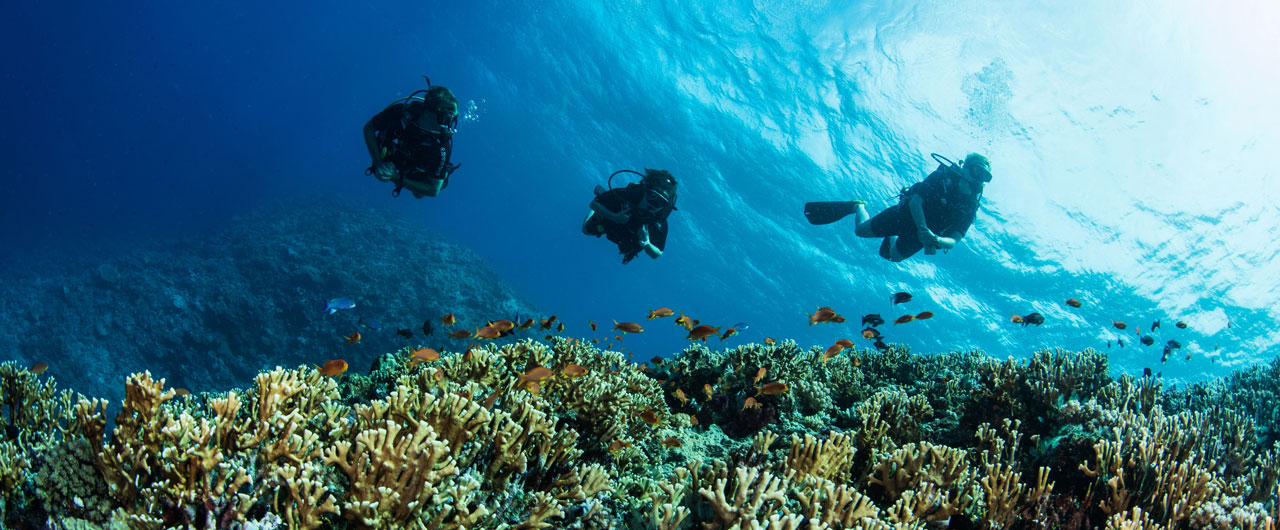
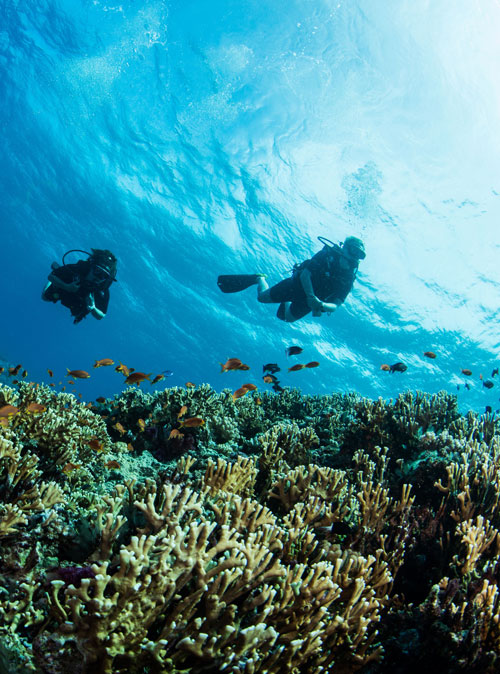

Fiji sits in the tropical South Pacific, which means consistently warm seas and thriving coral reefs no matter the month. Unlike destinations with extreme seasonal swings, Fiji’s changes are gradual rather than dramatic.
Divers typically describe the year in two parts: a cooler, drier (winter) season and a warmer, wetter (summer) season. Both periods offer excellent scuba diving, just with different strengths.
To make planning easier, here’s how the seasons compare.
| Season | Months | Visibility | Temperature | Diving Gear |
| Winter Dry Season |
May – Oct |
Excellent (20–40m) |
27 – 30°C (80.6 – 86°F) |
3mm light wetsuit, shorty |
| Summer Wet Season |
Nov – Apr |
Good (15–25m) |
24 – 27°C (75.2 – 80.6°F) |
3-5mm wetsuit for multiple dives |
One of the biggest advantages of scuba diving in Fiji is that you never have to worry about the water being too cold. Even in the middle of the “winter” months, temperatures rarely drop below 24°C (approx 75°F). This makes Fiji ideal for long dive trips, liveaboards, and back-to-back diving days without fatigue from cold exposure.
Visibility is one of the most important factors when choosing the best time to dive in Fiji, especially for underwater photographers and anyone seeking dramatic reef scenes.
Winter (May to October)
Conditions are typically at their clearest. With less rainfall and runoff, visibility often stretches beyond 30 meters. This is when Fiji’s reef walls, pinnacles, and soft coral bommies really stand out in wide-angle shots.
Summer (November – April)
Visibility can soften slightly during the wetter months due to increased plankton in the water. This actually fuels the ecosystem, attracting smaller marine life and creating incredibly vibrant reef scenes. For many divers (and underwater photograhers), it’s a worthwhile trade-off.
Fiji’s marine life is abundant year-round, but different seasons bring different kinds of encounters.
Generally the cooler, drier months favour larger pelagic species and as the year shifts into the warmer season, the focus turns from big to small where plankton blooms, reef details and marine critters shine. Plan your trip around seasons that sharks, manta rays and humpback whales here.
If your goal is the best overall diving conditions, then then the dry winter season from May to October stands out. But fror divers who prefer warmer waters and vibrant reef life over peak visibility, the wet summer season can be equally rewarding for these reasons:-
Warm waters: Some of the warmest of the year.
Abundant reef life: Plankton blooms create vibrant ecosystems.
Fewer crowds: Dive sites are quieter.
Better availability and pricing: Resorts and liveaboards often offer deals.
Short tropical showers: Rain rarely disrupts dive schedules.
Whenever you choose to dive in Fiji, you’re guaranteed to have a blast.